Resolutions from all levels of local government have pointed out the harm that the bridge would bring to the economy, environment, and tourism assets
ILOILO CITY, Philippines – The proposed 2.54-kilometer Boracay Bridge Project in Malay, Aklan, is moving forward, with San Miguel Holdings Corporation (SMHC) securing the contract despite a formal rejection from the local and provincial government. The Department of Public Works and Highways (DPWH) issued a notice of award to SMHC, which is led by Filipino billionaire Ramon Ang, on March 30, following the approval of a resolution by the Public-Private Partnership (PPP) prequalification, bids, and awards committee on March 25. Under the agreement, SMHC will finance, construct, design, operate, and maintain the bridge, which will link Barangay Manoc-Manoc on Boracay Island to mainland Malay in Caticlan.
The project carries an approved total cost of PP7.78 billion, inclusive of financing costs. Based on the project information memorandum posted by the DPWH, the concession period will run for 30 years, with operation starting in 2030 until 2059. Revenue sources of SMHC in operating the bridge will include bridge fees, terminal fees, and commercial income from project-related assets.
Bridge tolls will be categorized into three vehicle classes: Class A for e-trikes and small vehicles, Class B for passenger vans, and Class C for cargo and delivery trucks, subject to size and weight limits set by the local government. SMHC, the infrastructure arm of San Miguel Corporation, submitted the unsolicited proposal and serves as the project’s original proponent. The project was approved under the PPP Code on January 24, 2025.
The DPWH invited comparative proposals on March 10, 2025. By the October deadline for submission, the agency reported that no competitive bids were received to challenge SMHC’s proposal. In its 2026 budget, the DPWH has identified the Boracay Bridge as among its priority PPP projects.
The Boracay Bridge Project is a proposed 2.54-km infrastructure link, including a 1.14-km limited-access segment, to connect Boracay Island directly to mainland Aklan, aimed at easing ferry reliance, boosting tourism access, and supporting utilities. According to the PPP Center website, the project will be implemented under a Build-Operate-Transfer scheme, wherein a private entity finances and operates the infrastructure for a fixed period before transferring ownership to the government at contract end. Why local gov’t opposes the project On October 8, 2025, the provincial board of Aklan passed a resolution formalizing its strong objection to the project, citing a lack of grassroots consultation and severe potential damage to the region’s economy and environment.
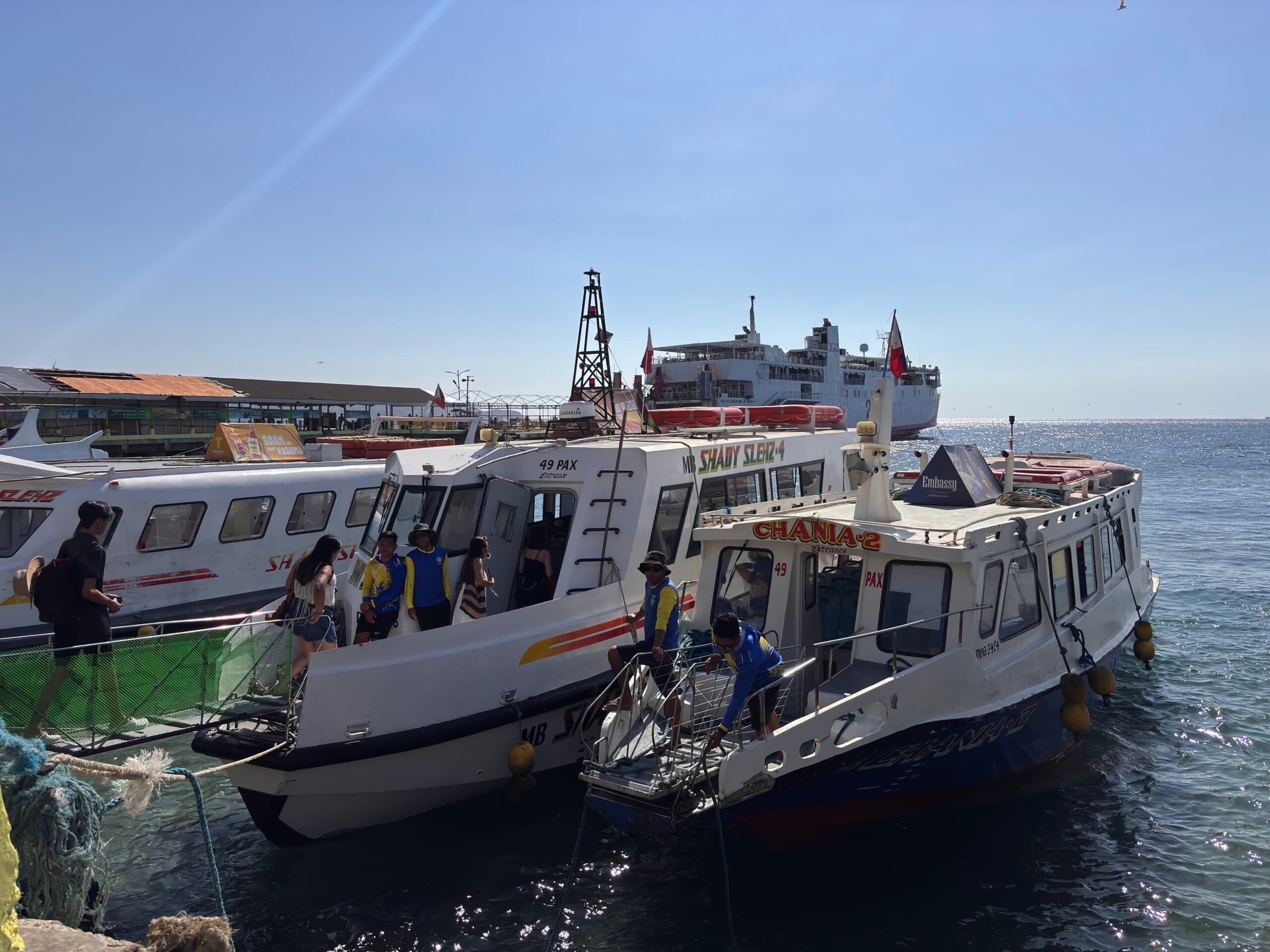
The provincial government declared the project “inimical to the economic and social conditions” of the people of Malay and the wider province. The provincial board expressed alarm over the potential displacement of local workers. The bridge operation is expected to affect 40 regular employees and 414 boatmen under the Caticlan-Boracay Transport Multi-Purpose Cooperative, whose motorized bancas currently generate an average daily income of P960,000.
The resolution also stressed that 166 members of the Malay Ports Service Multi-Purpose Cooperative will face adverse impacts if the project proceeds. The government stressed that the province stands to lose more than P600 million in annual revenue from port terminal fees in the Caticlan Jetty Port & Passenger Terminal. It argued that these funds are vital for subsidizing the operations of several public hospitals, including the Dr.
Rafael S. Tumbokon Memorial Hospital, district hospitals in Ibajay and Altavas, and the municipal hospitals in Libacao, Madalag, Malay and Boracay Island. The resolution also cited the stand of Aklan Governor Jose Enrique Miraflores, who had previously voiced concerns that a bridge would lead to increased congestion, loss of exclusivity, and development pressure.
“[We are] inclined to believe that while a proposed bridge infrastructure to a resort island offers several enticing benefits, including improved accessibility and overcrowding relief, it also poses significant challenges and risks,” the provincial board said. “Careful consideration of the environmental, social, cultural, and economic impacts is crucial before proceeding with such a project. Alternative solutions that prioritize sustainability, conservation, and community well-being should be explored alongside any infrastructure development plans,” it added.
The board also raised concerns about environmental risks from the project, such as insufficient assessment of how the bridge would affect tidal behavior, and potential destruction of coral reefs, seagrass beds, and beaches. “The bridge will destroy the allure of Boracay as an island destination known for its white sand beaches and captivating marine environment,” it said. The resolution also notes that the bridge would violate Provincial Ordinance 05-032, which enforces a “One Entry-One Exit Policy” to preserve and secure provincial tourism assets. The formal objection