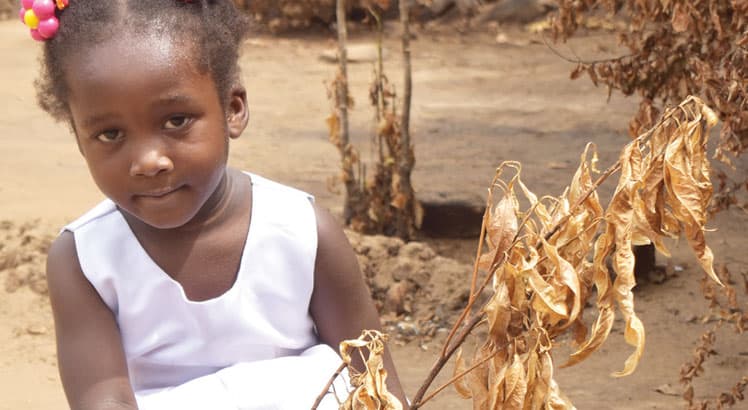
Watipatsa Manyozo’s home at Dyeratu in Chikwawa District had many trees to smile about. However, the five-year-old’s smile faded into sorrow on January 20 2026 when PressCane Limited’s toxic ethanol waste spilled from the company’s ponds into surrounding settlements, farmlands and waterways. What a scientist and water quality regulators termed acidic waste scorched all trees … The post Acidic spil
Watipatsa Manyozo’s home at Dyeratu in Chikwawa District had many trees to smile about. However, the five-year-old’s smile faded into sorrow on January 20 2026 when PressCane Limited’s toxic ethanol waste spilled from the company’s ponds into surrounding settlements, farmlands and waterways. What a scientist and water quality regulators termed acidic waste scorched all trees in the five-year-old girl’s homestead, including her favourite that she watered every morning before going to preschool.
“I planted these trees to beautify our home, but Wati loved a soldier tree the most,” says George Manyozo. “She watered it every morning after brushing her teeth.” Watipatsa inspects her scorched tree in her polluted home at Dyeratu. | James Chavula The girl expected the tree to grow big, shading the family of six and visitors from the floodplain’s sweltering sunshine. However, it wilted within two days as the tar-like ethanol waste killed every green plant in its way.
Watipatsa still waters the dead tree, hoping it will come back to life, but it only dims her joy. Scorched within days The father of four says the last-born looks depressed by “the futile wait to see the trees and flowers sprout again.” “ How do I tell her that the tree will not rise again,” he asks. The spill has killed trees, hedges, pasture and flowers in villages near the nine waste ponds.
Within days, it degraded Manyozo’s fenced residence, once the village’s greenest space, to a brownish dryland. “That day, around 4am, children woke up to stinking water in their bedroom. The fence was swamped and all green things dried up within days,” he narrates.
The spill also ruined the beddings, clothes, sofas and other valuable goods. “It reached a knee high within an hour, leaving my feet burning and itching. In no time, every plant in its way was dead, the cement floor was cracking and the brick walls were eroded,” Manyozo laments.
The tragedy replicates itself across the rural community, where Patrick Mpinganjira’s homestead lost about 30 trees. Even the ever-green neem, which defied the scorching heat for over a decade, dried up from the tops to the roots. The pollution scandal forced the Malawi Environmental Protection Agency (Mepa) to seal PressCane in January.
“Our order is to ensure that PressCane puts measures that avoid occurrences of the spills. We expect the affected households to be compensated by June 2026 while we continue to monitor effluent management structural improvements,” Mepa director general Wilfred Kadewa told The Nation. Manyozo recalls the polluters visiting his home and moving the entire family to Old Simbeko Lodge in the vicinity.
“We spent one night away from the ruined home. Ever since, PressCane hasn’t done enough to show that it cares about people affected by its industrial waste,” he says. Manyozo and his wife jealously record every conversations with PressCane for a possible lawsuit if not compensated.
The community is petitioning for payouts, independent assessments of the loss and shutdown of the waste ponds. The spill induced by flash floods have scorched rice paddies, communal grazing sites and hedges. “PressCane must pay for the damages,” she says.
“Authorities have neglected the spills and our cries for nearly two decades. “Government agencies have ignored previous spills. They only care about PressCane money, not our endangered lives,” says community activist Lovemore Jambo.
PressCane is largely owned by Press Corporation Limited, a listed conglomerate with Malawi Government as its main shareholder. “Authorities are either sleeping on the job or cashing in on our misery,” says Patrick January, 60, bemoaning his polluted rice fields along the Shire River. He recalls that the Manyozo’s residence had the greenest playground for children and venue for communal gatherings, especially weddings and religious fellowships.
PressCane chief executive officer Bryson Mkhomaanthu told The Nation that the ethanol company had hired consultants to assess and fix the waste ponds. “Also we have community engagements led by Chikwawa district commissioner,” he said. Major concern The National Water Resources Authority also fined the ethanol company for widespread pollution.
“The spillage of raw effluent into the environment is a major concern for the authority because it threatens the quality of water resources since we are mandated to protect it,” says the regulatory body established by the Water Resources Act. However, locals say not much has happened since the State authorities’ clampdown. Centre for Policy and Advocacy executive director Herbert Mwalukomo says “the appalling situation couldn’t have happened with regular inspection”.
“It’s one thing to give orders, but only action matters. It is our hope that people will be compensated and polluted natural resources will be valued and rehabilitated.”